
Développement professionnel / Transfusion
Apprendre. Partager. Progresser
Journeys in research: Trainee experiences supporting knowledge exchange, part 3 Saifur Chowdhury
9 avril 2026
Saifur R. Chowdhury
The Monthly Science Seminar series described in the blog below is an example of one of the knowledge mobilization activities organized to support effective knowledge sharing, connection, and collaboration among members of Canadian Blood Services’ innovation and portfolio management (I&PM) internal research network. Each year, trainees in Canadian Blood Services’ research network are invited to volunteer as MSS Series Organizing Committee members.
By emphasizing the importance of effective science communication and knowledge translation, this opportunity to engage in session planning is designed to help foster trainees’ professional development and collaboration skills. As a further value-add, trainee members from the 2025-2026 season were invited to contribute blog posts reflecting on their experiences to date.
My connection to transfusion and blood research
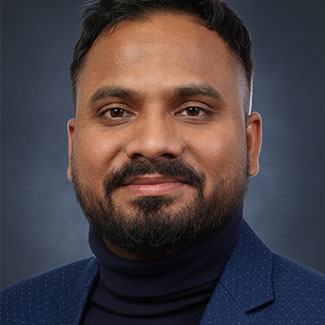
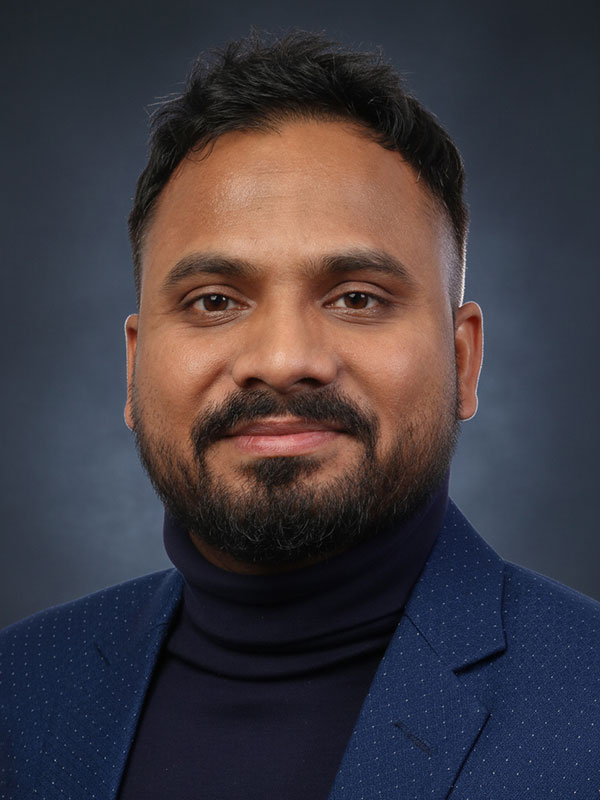
I am Saifur Chowdhury, a PhD candidate in Health Research Methodology at McMaster University, working at the Michael G. DeGroote Centre for Transfusion Research, and a recipient of Canadian Blood Services’ Graduate Fellowship Program award. Under the supervision of Dr. Gordon Guyatt and Dr. Donald Arnold (an adjunct scientist with Canadian Blood Services), my research aims to develop a rare disease guideline using novel methodology for the emergency management of critical bleeding in patients with immune thrombocytopenia, a disease that causes low blood platelets. Research in this area is important because critical bleeding in immune thrombocytopenia – commonly abbreviated as ITP - is a life-threatening condition, and evidence-based guidelines to inform its treatment are limited.
- Learn more about Saifur’s research in the publications in the European Journal of Haematology and Blood Advances:
Key takeaways from my participation in knowledge exchange activities with Canadian Blood Services
I was motivated to join Canadian Blood Services’ Monthly Science Seminar Series Organizing Committee because I was eager to gain first-hand experience on how activities like these are conceptualized, designed, and delivered, particularly within a research-intensive organization like Canadian Blood Services.
Additionally, I saw this role as an opportunity to expand my academic and professional network and strengthen my leadership skills by participating in discussions, contributing to planning, and taking on responsibilities such as facilitating discussions during seminar sessions.
I believe opportunities like this are invaluable for trainees, as they offer a platform to grow professionally, contribute to impactful initiatives, gain recognition, and have a lasting impact on career and confidence as future research leaders.
The value gained from participation: Lessons learned along the way
- Learning from diverse perspectives: My involvement in the committee has been a rewarding learning experience, providing valuable insight into topic selection, speaker identification, and how emerging research priorities are balanced to appeal to a diverse target audience. Leading a discussion session also strengthened my ability to facilitate productive conversations.
- Shaping my research direction: One of the impactful outcomes of my participation has been a deeper understanding of Canadian Blood Services’ research priorities and the types of research that align with Canadian Blood Services’ mission. Learnings about ongoing Canadian Blood Services-supported projects, advanced research methods, and the challenges researchers have navigated in producing impactful studies have ultimately helped inform my own research work.
- Building networks and opportunities for collaboration: Through my involvement in topic selection, speaker engagement, and session facilitation, I have had the opportunity to connect with a wide range of scientists and researchers across disciplines. These interactions have expanded my professional network beyond my immediate research environment and opened doors for potential future collaborations.
Additionally, in 2025, I received the inaugural Leadership Excellence Award from CLARITY, which recognizes outstanding leadership among graduate students supervised by a group of accomplished researchers at McMaster University. I believe my various volunteer involvements – including as a trainee member of this organizing committee – helped contribute to my receipt of this recognition.
Looking ahead to 2026 and beyond
In the future, I hope to submit for future Canadian Blood Services funding opportunities and continue my career with a plan for postdoctoral research.
Canadian Blood Services – Driving world-class innovation
Through discovery, development and applied research, Canadian Blood Services drives world-class innovation in blood transfusion, cellular therapy and transplantation—bringing clarity and insight to an increasingly complex healthcare future. Our dedicated research team and extended network of partners engage in exploratory and applied research to create new knowledge, inform and enhance best practices, contribute to the development of new services and technologies, and build capacity through training and collaboration. Find out more about our research impact.
The opinions reflected in this post are those of the author and do not necessarily reflect the opinions of Canadian Blood Services nor do they reflect the views of Health Canada or any other funding agency.